Deadwood Removal in Reno, NV
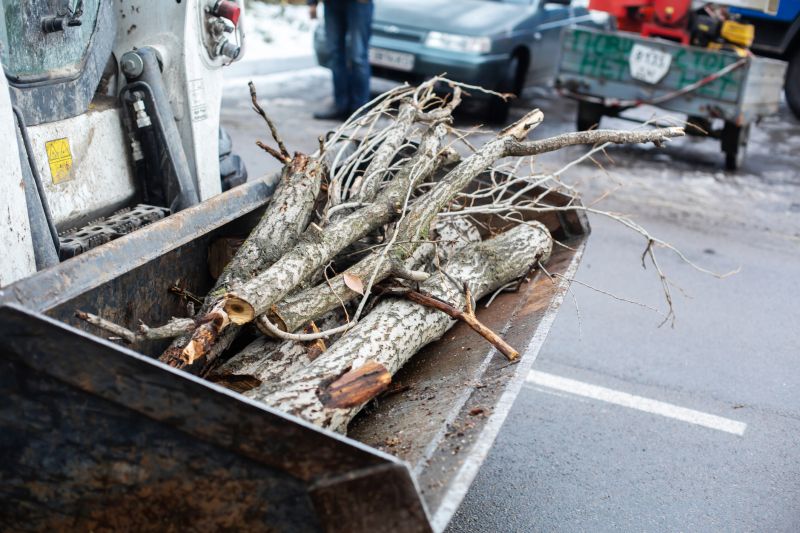
Deadwood removal services involve the safe and efficient removal of dead or hazardous trees, branches, and other woody debris from residential properties. This service is often requested for projects such as clearing fallen trees after storms, removing dead limbs to prevent potential property damage, or maintaining landscape safety and appearance. Homeowners should consider factors like the size and location of the deadwood, accessibility to the area, and any potential impact on nearby structures or landscaping before requesting removal services.
Property owners typically want to understand the scope of the work, including whether the removal will involve partial or complete tree cutting, and if cleanup and debris disposal are included. It is also important to clarify any restrictions related to access or permits that might apply to the property. Proper planning ensures the removal process is efficient, safe, and aligns with the property's needs and local regulations.
Many property owners in Reno, NV look into Deadwood Removal for repairs, replacements, upgrades, and appearance-related improvements.
Types Of Deadwood Removal
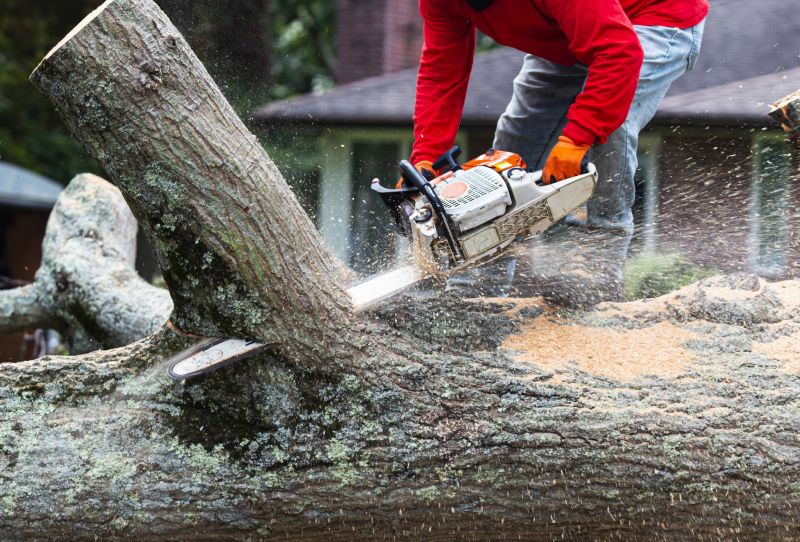
Services include pruning, trimming, and complete tree removal to maintain safety and aesthetics.
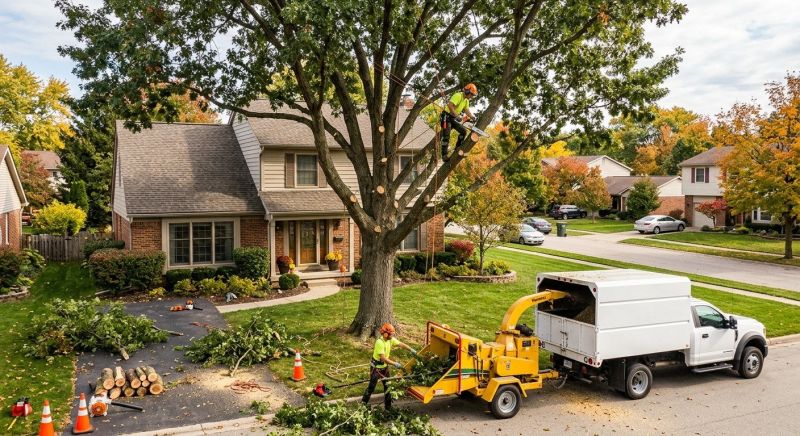
Reasons For Deadwood Removal
Removing dead or damaged branches helps prevent hazards and promotes healthy tree growth.
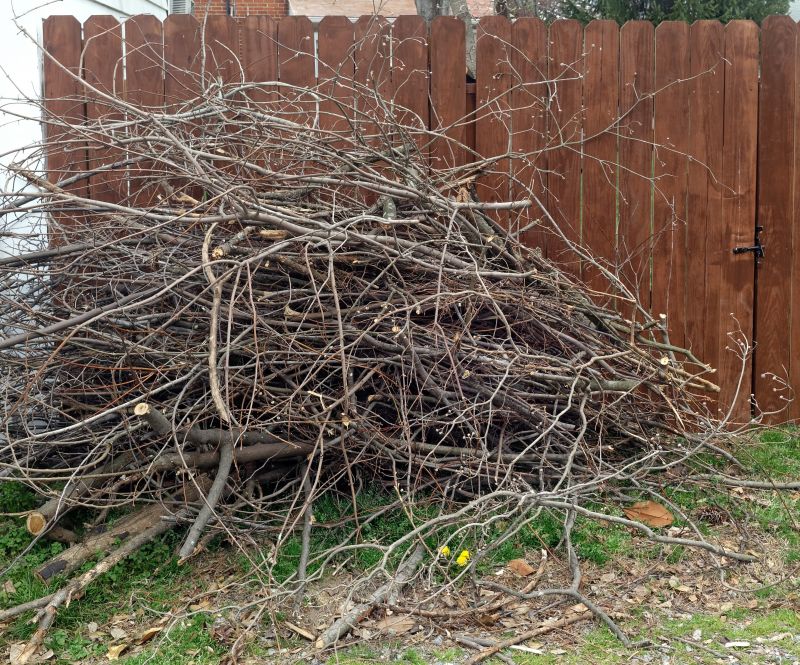
Property Maintenance Benefits
Deadwood removal enhances curb appeal and ensures safety around residential and commercial properties in reno, nv.
Deadwood Removal in Reno, NV
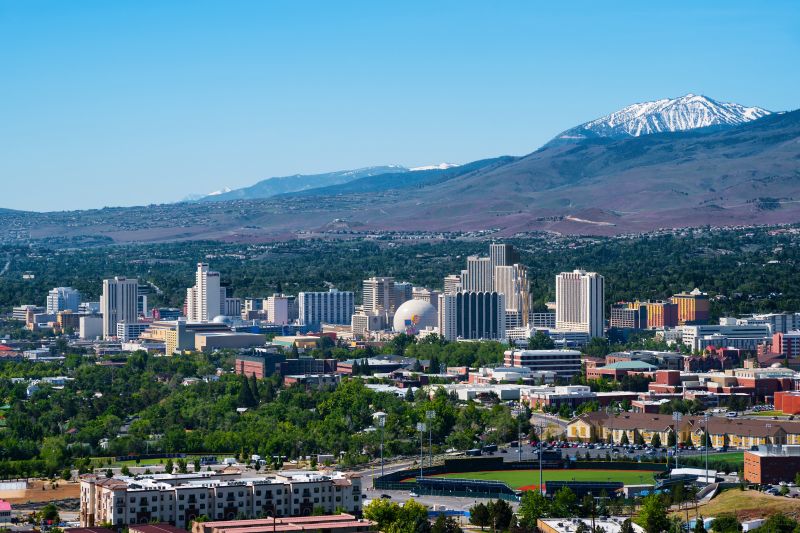
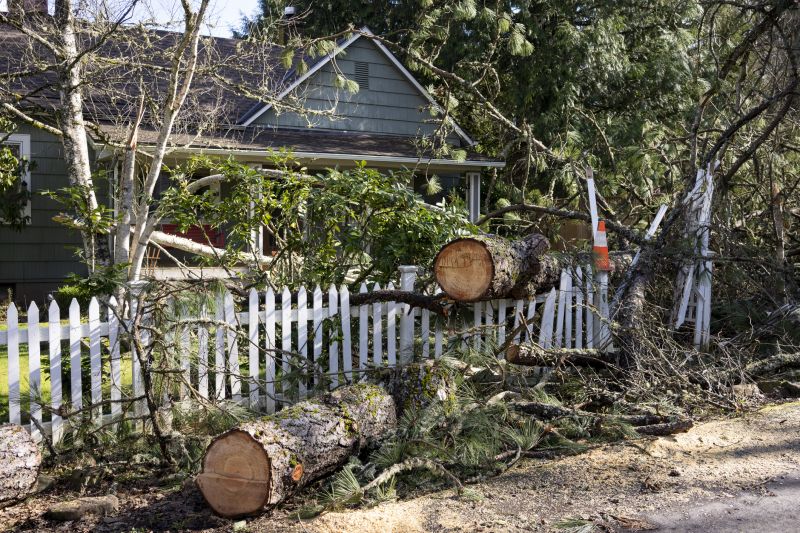
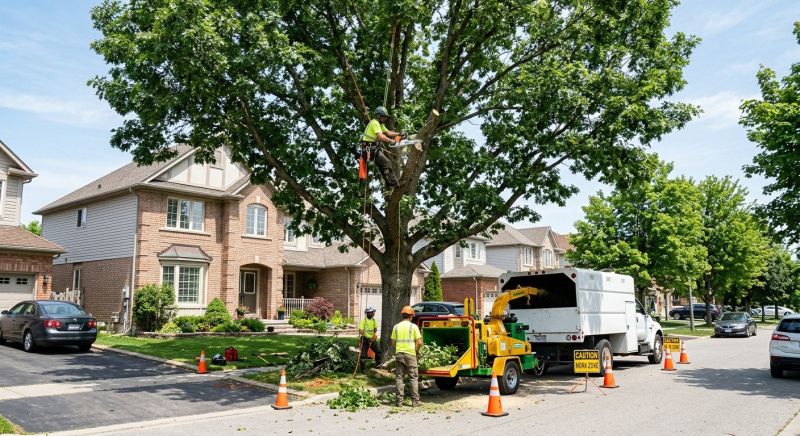
Deadwood removal services involve the safe and efficient removal of dead or hazardous trees, branches, and other woody debris from residential properties. This service is often requested for projects such as clearing fallen trees after storms, removing dead limbs to prevent potential property damage, or maintaining landscape safety and appearance. Homeowners should consider factors like the size and location of the deadwood, accessibility to the area, and any potential impact on nearby structures or landscaping before requesting removal services.
Property owners typically want to understand the scope of the work, including whether the removal will involve partial or complete tree cutting, and if cleanup and debris disposal are included. It is also important to clarify any restrictions related to access or permits that might apply to the property. Proper planning ensures the removal process is efficient, safe, and aligns with the property's needs and local regulations.
Many property owners in Reno, NV look into Deadwood Removal for repairs, replacements, upgrades, and appearance-related improvements.
Common Deadwood Removal Jobs
Deadwood Removal - Clearing dead or decaying trees to improve property safety and appearance.
Tree Trimming - Pruning dead branches to promote healthy growth and reduce hazards.
Stump Grinding - Removing tree stumps to prevent tripping hazards and prepare for landscaping.
Hazard Tree Removal - Eliminating trees at risk of falling to protect structures and people.
Storm Damage Cleanup - Clearing fallen or damaged trees after storms to restore safety.
Emergency Deadwood Clearing - Rapid removal of deadwood to minimize danger during adverse weather.
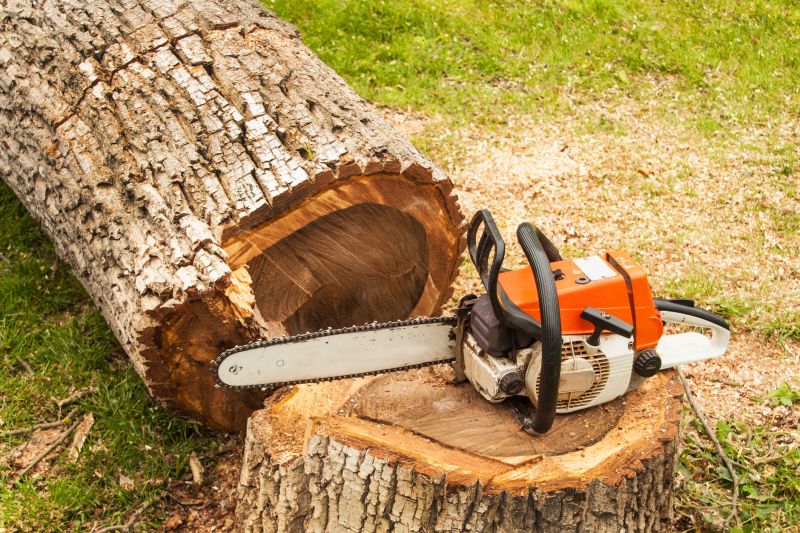
Deadwood Removal Questions
What types of debris are removed during deadwood removal? Deadwood removal typically includes removing broken, decayed, or dead branches from trees and shrubs to improve health and safety.
Why is deadwood removal important for property maintenance? Removing deadwood reduces the risk of falling branches, prevents pest infestations, and promotes healthier growth of plants.
When is the best time to remove deadwood from trees? Deadwood can be removed anytime during the year, but it is often most effective during late winter or early spring before new growth begins.
Does deadwood removal require special equipment? Yes, specialized tools like pruning saws, pole pruners, and safety gear are typically used to safely remove dead branches.
Request Deadwood Removal in Reno, NV
Use the quote form on this page to share the basics of your project and request more information for the type of work you need.