Optimal Timing for Apple Tree Trimming
Understanding the optimal time for apple tree trimmings is essential for maintaining healthy and productive trees. Proper timing ensures that pruning supports fruit development, reduces disease risk, and encourages vigorous growth.
Typically performed during dormancy, winter trimming helps shape the tree and remove dead or diseased branches.
Ideal for promoting new growth before the tree enters the active growing season.
Conducted after the harvest to remove any damaged or crossing branches, preparing the tree for the next cycle.
Pruning during summer can stress the tree and reduce fruit yield; best avoided unless necessary.
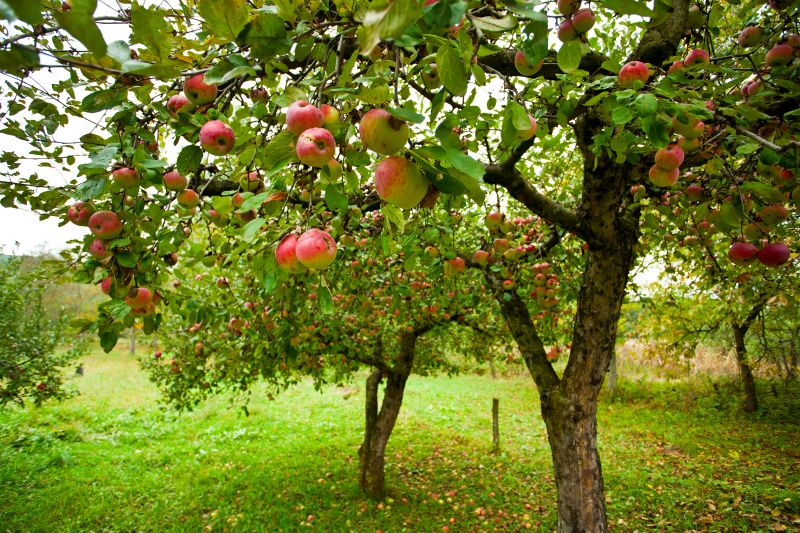
Ways to make Apple Tree Trimmings work in tight or awkward layouts.
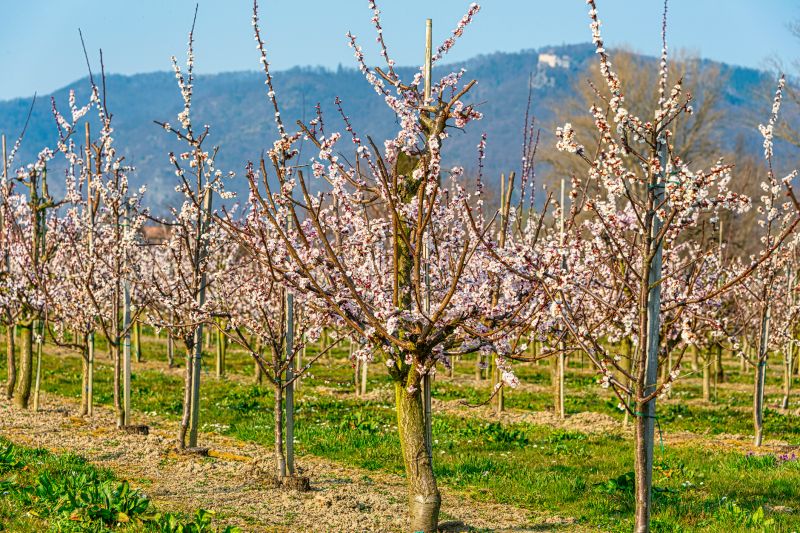
Popular materials for Apple Tree Trimmings and why they hold up over time.
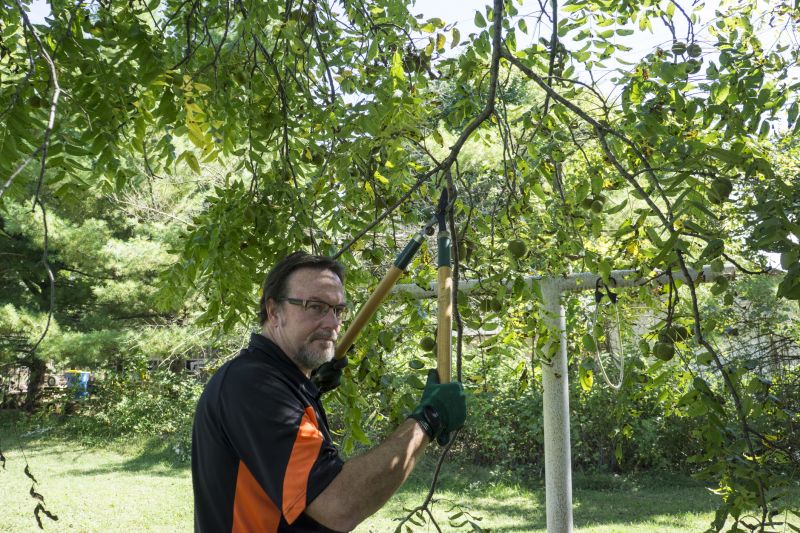
Simple add-ons that improve Apple Tree Trimmings without blowing the budget.
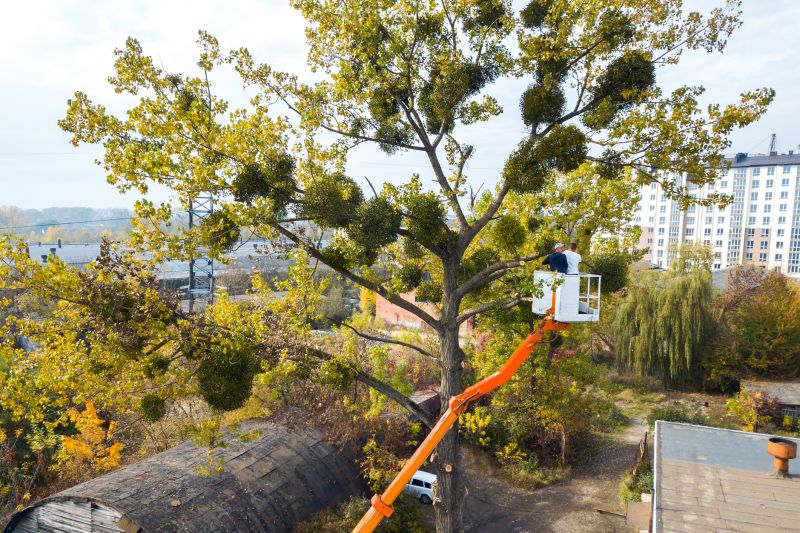
High-end options that actually feel worth it for Apple Tree Trimmings.

Finishes and colors that play nicely with Apple Tree Trimmings.

Little measurements that prevent headaches on Apple Tree Trimmings day.
| Timing | Best Practices |
|---|---|
| Winter (dormancy) | Remove dead, diseased, and crossing branches; shape the canopy. |
| Late Winter to Early Spring | Encourage new growth; prune for structure before active growth begins. |
| Post-Harvest | Clear damaged branches; prepare for dormancy. |
| Summer | Limited pruning; avoid stressing the tree during fruiting. |
| Regional Variations | Adjust timing based on local climate and apple variety. |
Apple tree trimmings play a vital role in maintaining tree health and optimizing fruit production. Proper pruning techniques involve removing overgrown, damaged, or diseased branches to allow better sunlight penetration and air circulation. This process reduces the risk of fungal infections and promotes even fruit ripening. On average, mature apple trees require annual trimming, with specific timing depending on the regional climate and apple variety. Studies indicate that pruning during dormancy can increase fruit yield by up to 20%, while improper timing can lead to reduced productivity and increased susceptibility to pests.
Effective apple tree trimming also involves thinning out crowded branches to prevent limb breakage and improve fruit size. The best results are achieved when trimming is performed with sharp tools and proper techniques, ensuring clean cuts that heal quickly. Regular pruning not only enhances tree structure but also prolongs the lifespan of the orchard. It is recommended to conduct detailed inspections annually to identify branches that need removal or shaping, aligning with the optimal timing for the specific apple variety.
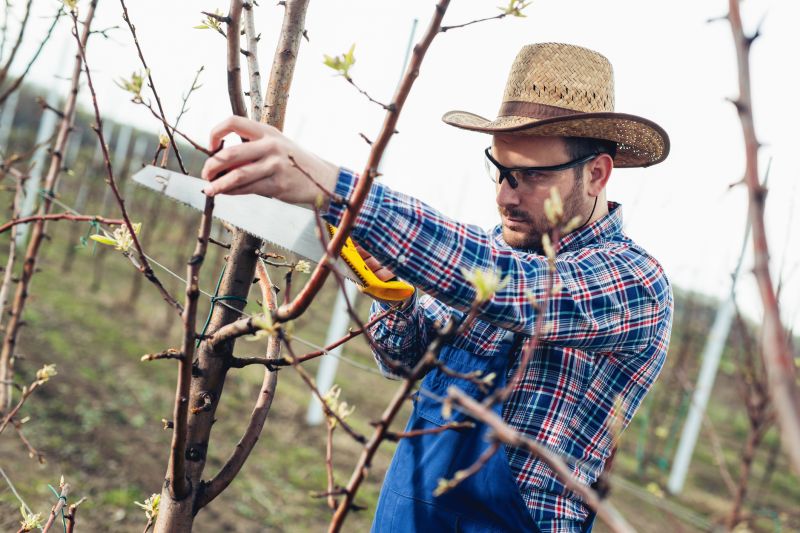
A 60-second routine that keeps Apple Tree Trimmings looking new.
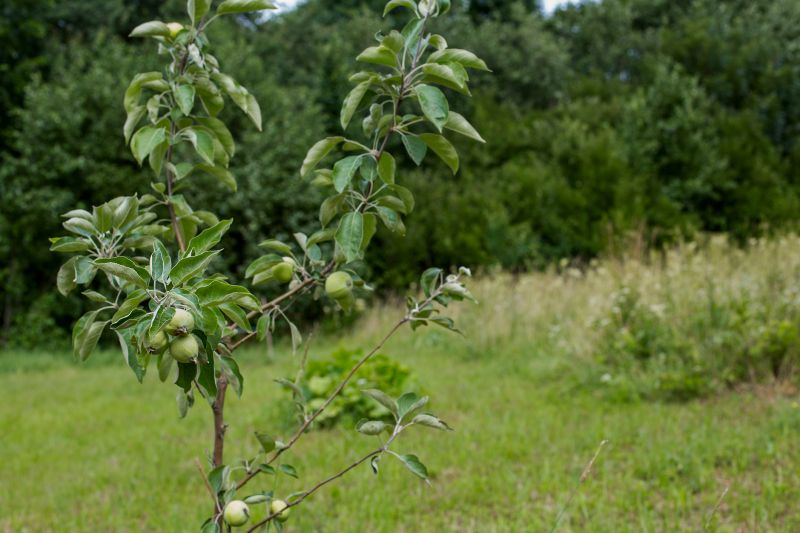
A frequent mistake in Apple Tree Trimmings and how to dodge it.
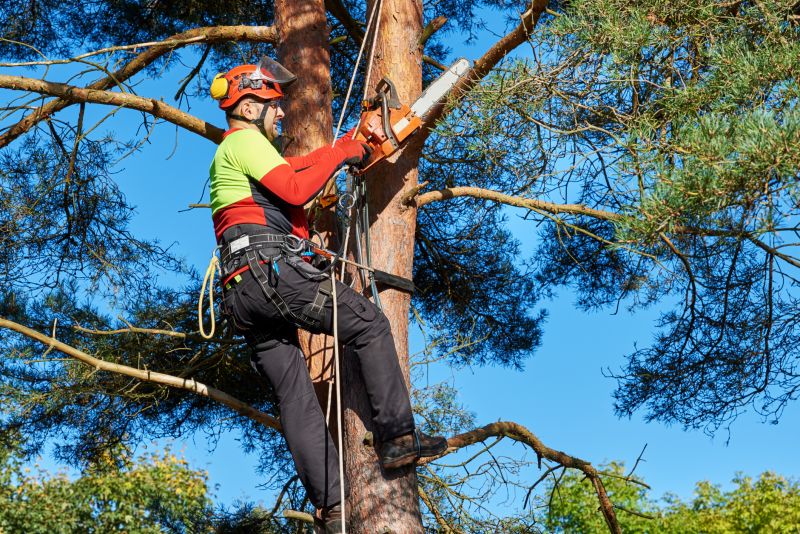
Small tweaks to make Apple Tree Trimmings safer and easier to use.
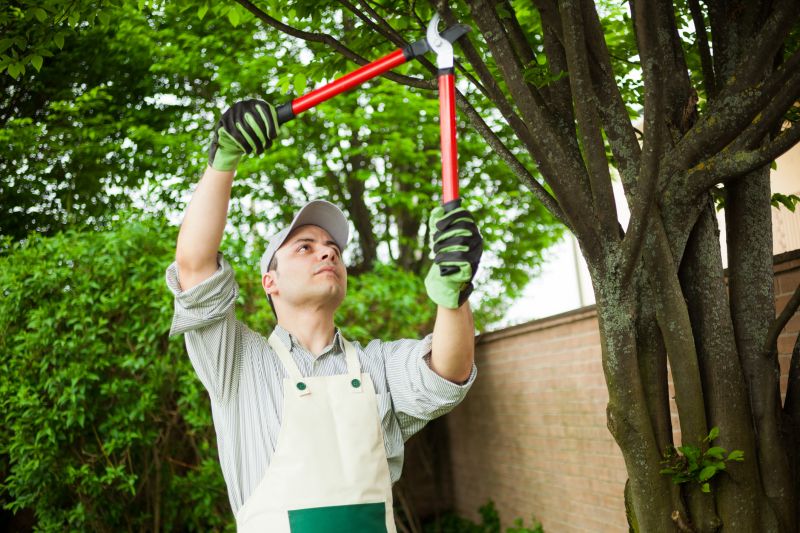
Lower-waste or water-saving choices for Apple Tree Trimmings.
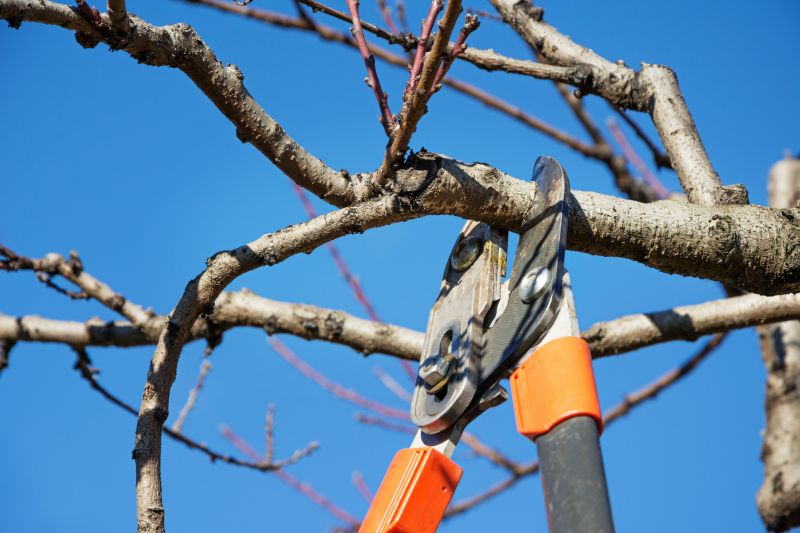
The short, realistic tool list for quality Apple Tree Trimmings.
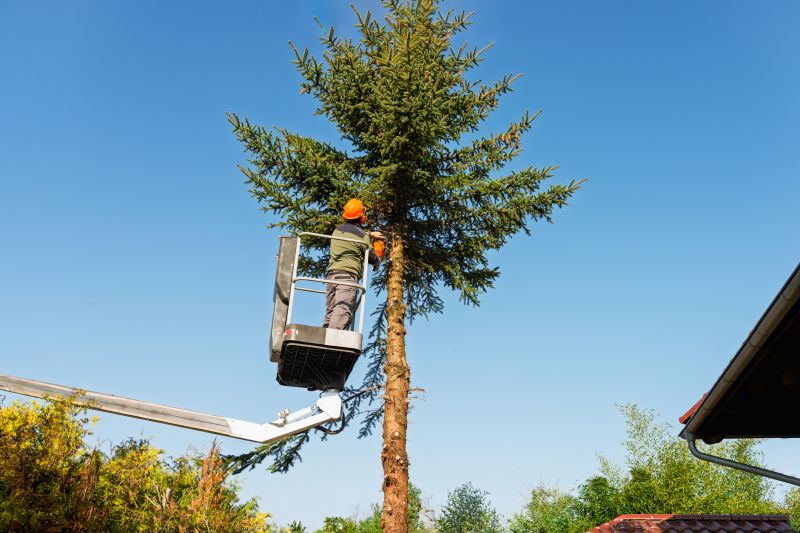
Rough timing from prep to clean-up for Apple Tree Trimmings.
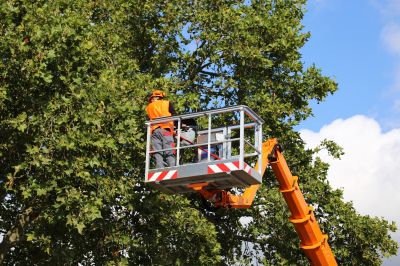
Quick checks and paperwork to keep after Apple Tree Trimmings.
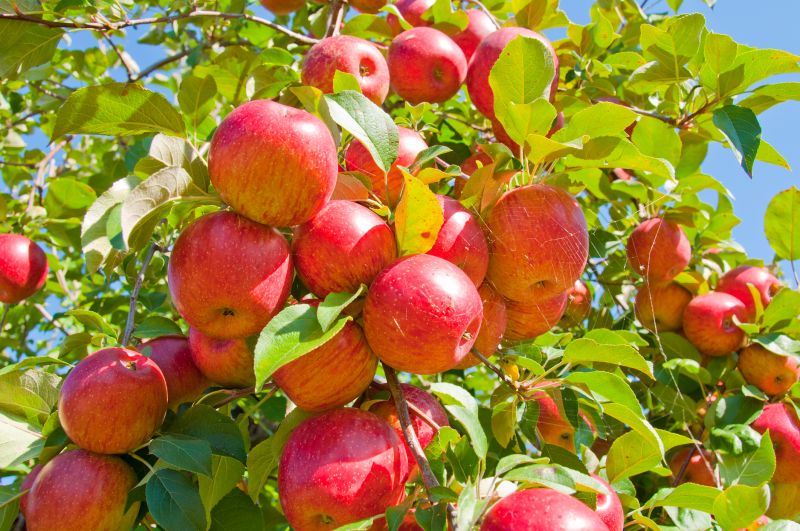
Examples that show the impact a good Apple Tree Trimmings can make.
Interested in optimizing the health and productivity of apple trees through proper trimmings? Filling out the contact form can connect with professionals experienced in orchard management and pruning techniques tailored to regional conditions and specific apple varieties.